Safe Skies, Strong Assets: Top Safety Measures in Professional Drone Inspections for Infrastructure Longevity
Drone inspections Ontario have reshaped how you protect and maintain critical infrastructure. Yet, without stringent safety measures, risks to people, assets, and data escalate quickly. This post outlines essential protocols that keep your projects compliant and secure while extending asset life—showcasing how expert infrastructure drone inspection safeguards every flight. Learn more about drone inspections for bridges, roads, and buildings.
Drone Safety Protocols for Infrastructure Inspections
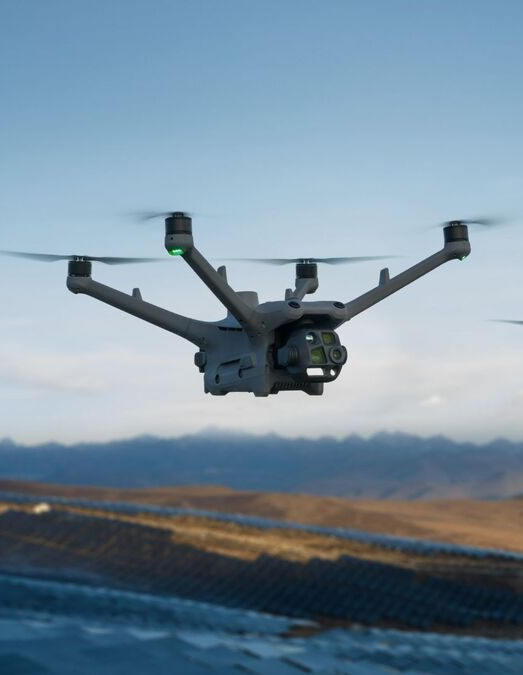
When it comes to keeping assets safe, following strict protocols is key. Let’s explore the rules that guide every inspection flight.
Understanding Transport Canada Compliance
To fly drones safely, you must follow Transport Canada’s rules, which set strict standards. These rules ensure every flight is safe and legal. When you comply, you reduce risks and protect your team and assets. This framework keeps drone operations smooth and trouble-free. Find out more about drones and compliance.
Most people assume drone flying is easy, but strict rules must be followed. Knowing these rules boosts your confidence in using drones for inspections.
Importance of Pre-Flight Risk Assessments
Before each flight, a thorough risk check is essential. This step identifies possible dangers, like weather or nearby obstacles. Knowing these risks helps you make better decisions and ensures safety.
One key insight is that skipping risk checks can lead to big problems. With proper assessments, you can plan flights that avoid these pitfalls. This preparation ensures each flight is both safe and productive.
Ensuring NAV CANADA Airspace Authorisation
Flying drones in controlled airspace requires NAV CANADA approval. This step is crucial to avoid conflicts with other air traffic. Applying for this permission ahead of time keeps your project on track. Discover the importance of airspace authorisation.
Many assume airspace is free for all, but proper authorisation is mandatory. Gaining this ensures safe operations and peace of mind for your team.
Advanced Tools for Precise Inspections
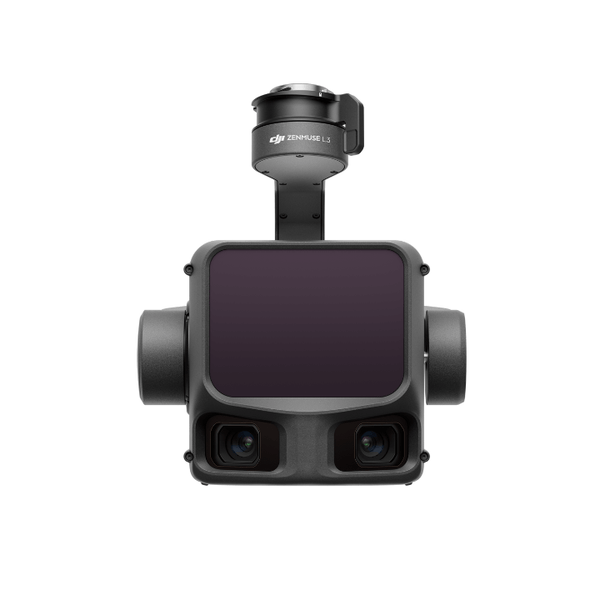
The technology you use can make or break your inspections. With the right tools, you achieve precision and depth in data collection.
Utilising RTK Mapping and 3D Modelling
RTK mapping provides precise positioning, enhancing mapping accuracy. These detailed maps support construction managers and surveyors in planning. 3D modelling adds another layer, allowing you to visualise structures from all angles.
The key takeaway is that these tools bring clarity to complex projects. With them, you can create accurate models that support informed decision-making in infrastructure projects. Explore RTK mapping benefits.
Thermal Imaging for Detailed Analysis
Thermal imaging reveals hidden issues, like heat loss or structural weaknesses. This data is crucial for assessing buildings and machinery. By identifying these problems early, you can address them before they escalate.
The surprising insight here is how thermal imaging uncovers what the naked eye misses. This technology ensures thorough checks, protecting your assets from unseen threats.
Survey-Grade Mapping Techniques
For accurate land and asset surveys, survey-grade mapping is essential. This level of precision supports large-scale projects, ensuring every detail is accounted for. With this approach, you gain data that drives smart planning and execution.
Many overlook the importance of survey-grade techniques, but they are vital for high-stakes projects. This precision ensures projects run smoothly, avoiding costly errors.
Comprehensive Safety Practices

Beyond technology, comprehensive safety practices are vital. They form the backbone of any successful inspection.
Implementing Site Inductions and PPE Compliance
Before starting inspections, ensure everyone understands site rules. Site inductions provide essential knowledge, while PPE compliance protects against hazards. This preparation keeps everyone safe.
Most assume site safety is common sense, but structured inductions and PPE are essential. These practices create a secure environment for your team.
Geofencing and Controlled Exclusion Zones
Geofencing sets digital boundaries, keeping drones in safe zones. This prevents them from entering restricted areas. Controlled exclusion zones further enhance safety by keeping unauthorised personnel out.
The insight here is how technology can enforce safety. Geofencing ensures your drones stay on course, protecting both people and property.
Emergency Preparedness and Response Plans
Having a solid response plan is crucial for unexpected events. This includes knowing emergency contacts and having a clear action plan. Being prepared limits damage and keeps everyone safe.
Many fail to plan for emergencies, but these plans are lifesavers. They ensure your team is ready for any situation, keeping inspections safe and efficient.
By adopting these safety measures, you not only protect your assets but also enhance the longevity of your infrastructure projects. While technology in drone inspections is crucial, it’s the rigorous application of these protocols that truly secures both your people and your projects.