Ontario Commercial Drone Safety: The Essential Standards Every Project Must Meet
Ontario’s commercial drone operations face strict safety requirements that many overlook—putting projects at risk of costly delays or violations. You need to know which Ontario drone regulations and Transport Canada Part IX standards apply before you take off. This guide breaks down the essential rules and best practices that keep your aerial mapping, inspections, and 3D modelling projects fully compliant and secure.
Navigating Ontario Drone Regulations
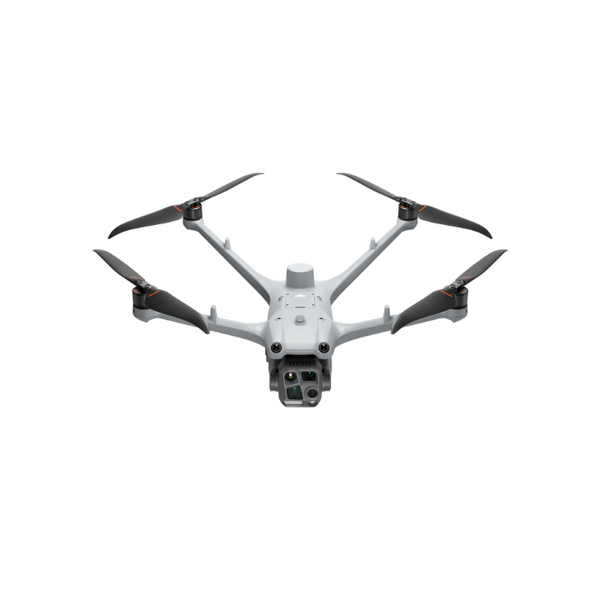
When it comes to flying drones in Ontario, there are specific rules that you need to follow. Understanding these rules is essential for safe and legal operations.
Understanding Transport Canada Part IX
Transport Canada Part IX is the backbone of drone regulations in Canada. It covers everything from where you can fly to how you must fly. If you’re operating a drone weighing more than 250 grams, these rules apply to you. Here’s what you need to know:
-
Categories of Operations: There are two main categories: basic and advanced. Basic operations don’t require flying near bystanders or in controlled airspace. Advanced operations allow more flexibility but demand higher standards.
-
Pilot Certification: You must pass an online exam and a flight review for advanced operations. This ensures you know how to handle your drone in complex situations.
For more detailed insights, you can refer to Transport Canada’s comprehensive guide.
Ontario No-Fly Zones and Compliance
Knowing where you can’t fly is just as crucial as knowing where you can. Ontario has specific areas deemed no-fly zones due to safety and privacy concerns. Here’s what you need to keep in mind:
-
Prohibited Areas: Airports and heliports are obvious no-fly zones. But there are also parks and private properties where drones are not allowed.
-
Staying Updated: Use the NAV Drone app to get real-time updates on airspace restrictions.
Ignoring these zones can result in hefty fines. By staying informed, you ensure your project runs smoothly without legal hiccups.
Ensuring Safety Through Certification

Certification is not just a box to tick; it’s a crucial part of operating drones safely and legally in Ontario. Here’s how certification plays a role in drone safety.
Basic vs. Advanced Operations Certification
Understanding the difference between basic and advanced certifications can save you a lot of trouble. Here’s a breakdown:
-
Basic Certification: Suitable for operations that do not pose a high risk. You must pass an online test covering basic knowledge.
-
Advanced Certification: Required for complex operations. This involves passing an online exam and practical flight review.
Most people assume basic is sufficient, but for operations in controlled airspace, advanced certification is a must. Each level has its own set of rules, so it’s crucial to choose the one that aligns with your project needs.
Importance of Drone Registration in Canada
Every drone that weighs between 250 grams and 25 kilograms must be registered. This isn’t just paperwork; it’s a safety measure. Here’s why it matters:
-
Accountability: Registration ties a drone to its owner. This is vital in case of accidents or incidents.
-
Legal Requirement: Operating an unregistered drone can lead to fines. It’s essential to ensure your drone is registered to avoid legal issues.
For more on the importance of registration, you can refer to Coastal Drone’s safety protocols.
Best Practices for Safe Drone Operations

Safety is paramount when operating drones. Following best practices ensures not only compliance but also the success of your projects.
Conducting a Pre-Flight Risk Assessment
Before you take off, a pre-flight risk assessment is essential. It helps identify potential risks and plan for them. Here’s how to conduct one:
-
Evaluate the Environment: Check the weather, local airspace, and any obstacles.
-
Assess the Equipment: Ensure your drone is in working order and fully charged.
-
Plan the Flight: Map out your route and have a clear understanding of the area.
By anticipating risks, you can make informed decisions that keep your operations safe and efficient.
Coordinating with NAV CANADA for Authorisations
If you plan to fly in controlled airspace, coordination with NAV CANADA is crucial. Here’s what you need to do:
-
Submit an Application: Use the NAV Drone app to apply for authorisation well before your flight.
-
Follow Up: Check the status of your application and be ready to adjust your plans based on feedback.
Most people think authorisation is automatic, but it requires careful planning and communication. By coordinating with NAV CANADA, you ensure your flight complies with all regulations.
For further guidance on compliance, visit Meridian Surveys’ ultimate guide.
In conclusion, understanding and following Ontario’s drone regulations is not just about avoiding penalties. It’s about ensuring that your projects are successful, safe, and compliant. By adhering to these guidelines, you can confidently carry out your aerial mapping, inspections, and 3D modelling projects.