Aerial Inspections for Hard-to-Reach Assets: A Practical Guide for Ontario Projects
Climbing scaffolds and shutting down operations aren’t your only options for inspecting hard-to-reach assets. Drone inspections Ontario offer a safer, faster way to capture precise data without disrupting your project timeline. This guide breaks down how aerial inspections hard-to-reach assets can streamline your workflow while staying fully compliant with Transport Canada regulations. Ready to see how your next inspection can be safer and more reliable?
Benefits of Drone Inspections
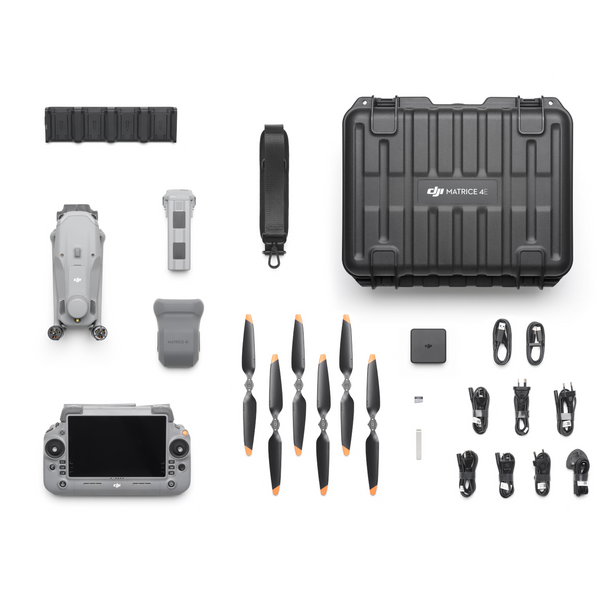
As projects grow in complexity, finding solutions that boost safety and efficiency is crucial. Drone inspections offer a fresh perspective, providing multiple benefits that make them stand out in various industries.
Enhancing Safety for Teams
Keeping your team safe is always a top priority. With drone inspections, you don’t need to put anyone in a risky position. Drones can access areas that are too dangerous for people, such as high rooftops or unstable structures. This reduces the chance of accidents, letting you focus on what matters most: completing your project successfully. Imagine inspecting a telecom tower without climbing it. That’s the kind of safety drones bring to your operations.
Speed and Accuracy in Data Capture
Time is money, and drones save you both. They can cover large areas quickly, capturing high-resolution images that provide detailed insights. This speed doesn’t compromise on accuracy. Drones equipped with RTK technology ensure precise location data, crucial for mapping and inspections. Need a quick update on a construction site? A drone offers a fast, accurate view without halting progress.
Cost-Effective Solutions for Projects
Traditional inspection methods can be costly and time-consuming. Drones offer a cost-effective alternative by reducing labour and equipment expenses. They require fewer resources and less time, cutting down on project costs. Additionally, drones provide ongoing savings by identifying issues early, preventing costly repairs down the line. This makes them a smart choice for budget-conscious managers aiming to enhance project efficiency.
Navigating Compliance and Planning
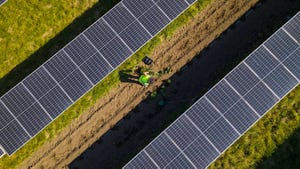
Understanding regulations and planning accordingly ensures your drone operations are smooth and hassle-free. Let’s explore how compliance and planning go hand in hand with successful drone usage.
Understanding Transport Canada Regulations
Ensuring your drone operations adhere to Transport Canada regulations is essential. These rules are in place to maintain safety and privacy. You need to know about pilot certification, drone registration, and flight restrictions. Staying compliant not only keeps your operations legal but also builds trust with clients and partners. For more on regulations, check out Transport Canada guidelines.
Efficient Workflow and Airspace Authorisation
A well-planned workflow ensures your drone operations run smoothly. Start by understanding your project’s needs, then obtain the necessary airspace authorisations from NAV CANADA. This process involves submitting your flight plans and ensuring you have the right permissions to operate in controlled airspace. These steps prevent delays and keep your project on track. Remember, preparation is key to efficient drone operations.
Quality Assurance and Reporting Standards
Delivering quality results demands adherence to high standards. Drones capture accurate data, but how you manage this data matters. Implementing robust quality assurance practices ensures the information is reliable and valuable. This includes regular equipment checks and thorough data analysis. Clear reporting standards help you communicate findings effectively, supporting informed decision-making.
Asset-Specific Inspection Tactics
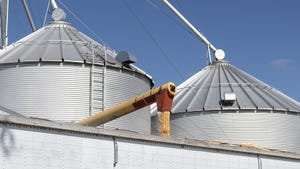
Different assets require different inspection tactics. Drones offer tailored solutions for various industries, enhancing how inspections are done.
Construction and Infrastructure Insights
In construction, drones provide a bird’s-eye view of progress, identifying issues like structural weaknesses early. This proactive approach saves time and money. By using drones, you can monitor site progress without disrupting daily operations. They offer a unique perspective that traditional methods can’t match, making them an ideal tool for modern construction projects.
Agricultural Mapping and Crop Health
Farmers can greatly benefit from drones by using them for crop health mapping and farm drainage assessments. Drones provide detailed aerial views, revealing crop conditions and identifying areas needing attention. This information helps optimise yield and ensure efficient resource use. With drones, you gain a comprehensive view of your land, enhancing decision-making.
Specialised Techniques for Energy Assets
Energy assets, such as wind turbines and solar farms, demand specialised inspection techniques. Drones can access these high structures safely, providing detailed images and thermal data to detect issues like overheating or physical damage. This information is vital for maintaining asset performance and longevity, ensuring you get the most from your investment.
By embracing drone technology, you unlock new possibilities for inspecting hard-to-reach assets, ensuring your projects are safe, efficient, and cost-effective. Ready to elevate your inspections with Hoverscope Aerial Imaging?