From Sky to Site: What Makes Drone Data Accurate, Repeatable and Project‑Ready
Most drone data falls short of professional standards, leaving project teams with guesswork instead of certainty. You need survey-grade drone data that delivers centimetre-level accuracy every time, across Ontario’s diverse landscapes. This post breaks down the key factors behind reliable drone mapping accuracy and how Hoverscope’s proven RTK/PPK workflows, ground control points, and strict QA/QC protocols make your aerial data truly project-ready. Learn More.
Pillars of Survey-Grade Drone Accuracy

When it comes to drone mapping, accuracy is everything. Ensuring your data is reliable requires understanding the core elements that contribute to precision. Let’s explore these crucial pillars.
Precision in Drone Mapping Accuracy
The first step towards achieving survey-grade data is ensuring precision in mapping. With drones, precision means collecting detailed and accurate information from the skies. The drone mapping accuracy depends heavily on the drone’s equipment and software, which must work together seamlessly.
Utilising high-quality sensors and cameras is vital. These tools capture images that form the foundation of accurate maps. The use of advanced software also plays a role, processing these images into data you can rely on. For example, software that stitches images accurately helps create comprehensive and precise maps, essential for various projects.
Consider a project manager overseeing a construction site. They need precise maps to monitor progress and make decisions. Here, drone mapping accuracy ensures they have the right data to keep the project on track.
Importance of Ground Control Points
Ground Control Points (GCPs) are the unsung heroes of mapping accuracy. These physical markers on the ground help drones align their data with real-world coordinates. Incorporating GCPs can be the difference between accurate data and misleading results.
When setting up GCPs, their placement is crucial. They must be positioned strategically across the mapping area to ensure the drone data aligns correctly. In practice, this means placing them in easily recognisable spots that won’t move over time. This stability ensures consistent and reliable data collection.
Imagine you’re surveying a vast agricultural field. GCPs ensure that every part of the field is mapped accurately. This precision allows farmers to make informed decisions about crop management and yield predictions.
Role of QA/QC Workflows
Finally, the role of quality assurance and control (QA/QC) workflows cannot be overstated. These practices ensure that every step of the drone mapping process meets high standards. From initial data collection to final map delivery, QA/QC workflows are your guarantee of accuracy.
Regular checks throughout the mapping process help identify and correct errors early. This proactive approach saves time and resources in the long run. It also boosts confidence in the data’s reliability.
Consider a surveying team tasked with monitoring environmental changes over time. QA/QC workflows ensure the data they collect is consistent and accurate, providing a solid foundation for their analyses and reports.
Dependable RTK/PPK Georeferencing
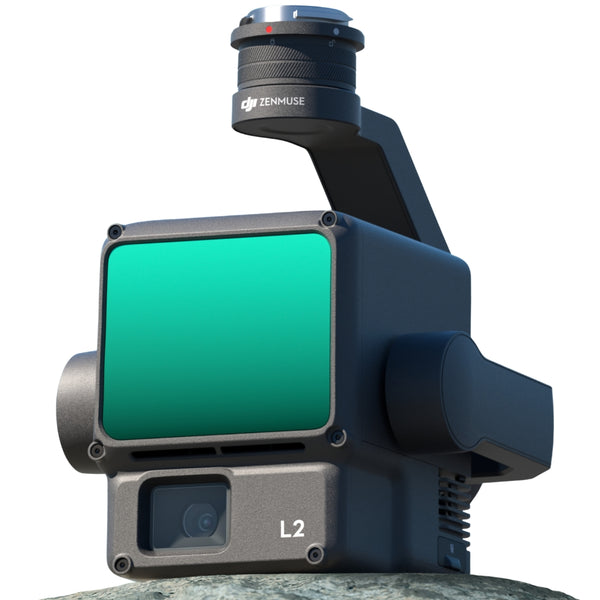
Accurate georeferencing is key to successful drone mapping. RTK and PPK technologies offer reliable solutions, especially in varied terrains like those found in Ontario. Let’s explore how these methods enhance precision.
RTK Drones in Ontario
RTK (Real-Time Kinematic) drones are a game-changer for precise mapping. They provide real-time corrections to the drone’s positioning data, ensuring centimetre-level accuracy. In Ontario, where diverse landscapes pose mapping challenges, RTK drones are invaluable.
Using RTK drones, surveyors can capture data quickly without compromising accuracy. This efficiency is crucial in industries like construction, where timelines are tight. By using RTK drones, you can expect reliable and actionable data for decision-making.
For a construction site manager in Ontario, RTK drones offer a clear view of the project area. This clarity aids in planning, monitoring, and managing resources effectively, ultimately leading to on-time project completion.
PPK Georeferencing Techniques
PPK (Post-Processed Kinematic) georeferencing is another method to achieve high accuracy. Unlike RTK, PPK processes the data after the flight, offering flexibility in challenging environments. This technique is particularly useful when real-time corrections are not feasible.
With PPK, data is collected and then refined using base station data. This process corrects any positional errors, ensuring the final maps are accurate. PPK is ideal for remote areas where setting up real-time connections might be difficult.
Imagine working in a remote forest for an environmental survey. PPK ensures that even in such challenging conditions, the data collected is precise. This accuracy is vital for assessing changes in forest health and planning conservation efforts.
Achieving Centimetre-Level Accuracy
Both RTK and PPK have their strengths, but the goal remains the same: achieving centimetre-level accuracy. This level of precision is crucial for projects that demand exact data, such as land development or infrastructure planning.
Combining these techniques with robust workflows ensures data integrity. By doing so, you can trust that the data driving your decisions is both detailed and accurate, enabling successful project outcomes.
Consider a land developer planning a new community. With centimetre-level accuracy, they can optimise the layout and design, ensuring efficient use of space and resources. This precision not only saves costs but also enhances the project’s overall success.
Enhanced Project Outcomes

Accurate drone data leads to improved project outcomes across various industries. From mapping to inspections, the benefits are clear. Let’s examine how survey-grade data enhances different project aspects.
Orthomosaic Mapping and 3D Modelling
Orthomosaic mapping and 3D point cloud modelling are essential tools for visualising project areas. They provide detailed and interactive representations, aiding in planning and analysis. With precise drone data, these models are incredibly accurate and informative.
For instance, creating a digital twin of a construction site allows for real-time monitoring and planning adjustments. This capability is invaluable for maintaining project timelines and budgets while ensuring safety and compliance.
Construction Progress and As-Built Documentation
In construction, staying on top of progress is vital. Construction progress mapping and as-built documentation ensure projects are on track. Drone data offers a detailed and up-to-date view of the site, highlighting any deviations from the plan.
Imagine overseeing a large infrastructure project. Having access to accurate, up-to-date maps enables quick decision-making and problem-solving, keeping the project moving smoothly.
Agriculture Crop Health and Thermal Inspections
In agriculture, precise data is crucial for managing crop health. Agriculture crop health mapping helps identify issues early, allowing for timely interventions. Additionally, thermal drone inspections provide insights into irrigation efficiency and pest infestations.
For a farm manager, these insights lead to better resource allocation and increased yields. By addressing issues proactively, the farm can maximise productivity and minimise waste, achieving sustainable growth and profitability.
In conclusion, the value of survey-grade drone data cannot be overstated. It transforms how projects are planned, monitored, and completed, ensuring success across industries. By understanding and leveraging these pillars of accuracy, you position yourself for success in any project.