Drone Inspections for Infrastructure Maintenance: A Comprehensive Guide to Safer, Faster, Smarter Asset Care
Traditional infrastructure inspections often mean climbing, scaffolding, and long site shutdowns. You know these methods slow your projects and expose teams to unnecessary risks. Drone inspections offer precise, compliant aerial surveys that speed up condition assessments and cut costs. This guide breaks down how drone inspections transform infrastructure maintenance, from planning flights to integrating data with your asset management systems. Keep reading to see how you can bring safer, faster, smarter care to your assets. For more information, visit this comprehensive guide.
Benefits of Drone Inspections
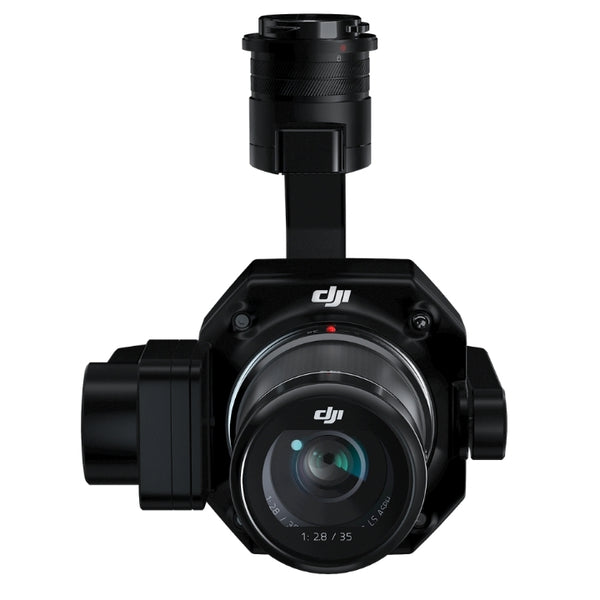
Drone inspections are paving the way for safer and more efficient maintenance practices. This section highlights how drones can revolutionize your safety standards, cut costs, and enhance data accuracy.
Improving Safety Standards
When it comes to keeping your team safe, drones are a game-changer. By using drones, you avoid putting workers in risky situations like climbing high structures or navigating hazardous areas. Instead, drones can carry out detailed inspections from the air. They provide a bird’s-eye view that allows you to assess conditions without the need for extensive scaffolding or other risky setups. Imagine assessing the integrity of a bridge without anyone having to leave the ground. This not only reduces the risk of accidents but also ensures that inspections are thorough and comprehensive. Safety remains paramount, and drones help you achieve that with ease.
Cutting Costs and Time
Time is money, and drones help you save both. Traditional inspection methods often mean long setup times and even longer shutdowns. Drones can perform inspections in a fraction of the time. For example, a drone can complete a roof inspection in just a few hours compared to the days it might take using scaffolding. This quick turnaround leads to less downtime and keeps your projects on schedule. Plus, with fewer manual inspections, you cut down on labor costs. The financial savings are clear. By using drones, you make your budget go further while maintaining high inspection standards.
Enhancing Data Accuracy
Accuracy in data collection is crucial for informed decision-making. Drones equipped with advanced cameras and sensors capture precise details that might be missed by the human eye. For instance, a drone can capture thermal images to identify heat leaks in solar panels. This kind of detailed data ensures that you have all the information needed to address issues promptly. With drones, you can create detailed orthomosaic maps and 3D models that provide a comprehensive view of your assets. This level of accuracy helps you make smarter decisions and enhances your overall asset management strategy.
Drone Inspection Workflows
Now that you understand the benefits, let’s explore how drone inspections are carried out. From planning to data integration, each step is designed to maximize efficiency and compliance.
Planning and Compliance
Before any drone takes off, thorough planning is key. This involves mapping out flight paths and ensuring all operations comply with regulations. For instance, in Ontario, drone operators must adhere to Transport Canada guidelines. This ensures that every flight is safe and legal. Planning also involves choosing the right equipment for the task. Whether it’s a roof inspection drone or a model for bridge assessments, selecting the appropriate drone is crucial. By planning effectively, you set the stage for successful inspections that are both efficient and compliant.
Data Capture and Analysis
Once in the air, drones capture high-quality images and data. This step is critical. Drones equipped with photogrammetry technology collect vast amounts of information quickly. For example, during a wind turbine inspection, a drone can capture detailed images of each blade. This data is then analyzed to detect any signs of wear or damage. The analysis phase is where insights are drawn, and actionable reports are generated. With drones, you don’t just gather data, you turn it into valuable insights that drive maintenance decisions.
Integration with Digital Tools
Integrating drone data with your digital tools can transform how you manage assets. By syncing drone data with GIS or BIM systems, you create a digital twin of your assets. This provides a dynamic and interactive model of your infrastructure. For instance, construction progress monitoring becomes seamless when drone data feeds directly into 3D models. This integration not only enhances data accessibility but also improves collaboration among teams. By leveraging digital tools, you ensure that drone data is used to its fullest potential, enabling more proactive maintenance strategies.
Real-world Applications

Drone inspections are versatile and applicable across various fields. Let’s delve into how different industries benefit from this technology, from agriculture to civil infrastructure.
Agriculture and Farming Insights
In agriculture, drones are proving invaluable. They offer farmers a new perspective on crop health and land management. Aerial surveys can identify areas needing more water or those plagued by pests. Drones equipped with NDVI sensors can analyze plant health by assessing chlorophyll levels. This timely information helps farmers make informed decisions about fertilisation and irrigation. For more insights on drone applications in agriculture, check out this guide.
Construction and Utilities Monitoring
Construction sites and utility facilities benefit significantly from drone technology. Drones offer a way to monitor progress without disrupting ongoing operations. For instance, utility inspection drones can assess power lines and detect faults before they become major issues. Similarly, drones provide construction managers with real-time updates, ensuring projects stay on track. This proactive approach leads to safer and more efficient project management. Learn more about these applications in this article.
Civil Infrastructure and Asset Management
For civil infrastructure, drones bring precision and speed. Consider bridge inspection drones: they can survey the entire span of a bridge, capturing data quickly and comprehensively. This allows for regular condition assessments without traffic disruptions. Asset management also benefits from drone data, providing a clear picture of infrastructure health. This helps in planning preventative maintenance and ensuring structural integrity. The longer you wait to adopt this technology, the more opportunities you miss to enhance asset care.
In conclusion, drone inspections are transforming maintenance practices across industries. They offer safer, faster, and smarter solutions that keep your assets in peak condition. Embrace this technology and elevate your maintenance strategy today.